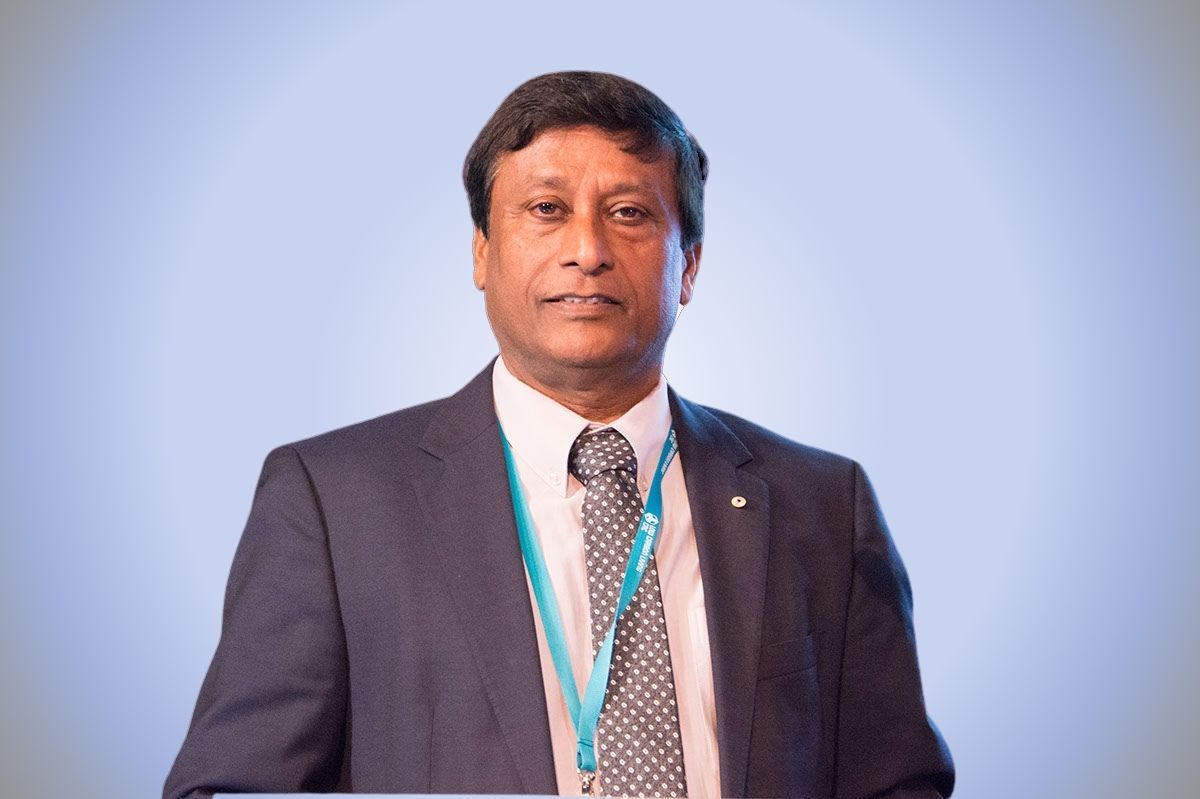
Deo Prasad
Scientia Professor Deo Prasad is among the internationally recognised Australian experts in the field of environment and sustainability with a focus on climate change, clean energy and net zero carbon innovations. His experience covers practice as a consultant, long standing experience as a thought leader and a distinguished academic, significant leadership and governance expertise, all with notable recognition from all levels of government and professions as noted below. His expertise is very much in science and evidence-based approaches with a very high level of understanding of the innovation processes, the energy and carbon ecosystem with a high level of understanding of the human behaviour and social change considerations.
Deo has worked extensively with industry and governments in NSW and nationally and delivered outcomes that have helped industry navigate towards a net zero carbon future through knowledge creation and translation, evidence for policies and capacity building. He currently is the CEO of the NSW Decarbonisation Innovation Hub with ambitions to reduce carbon emissions to net zero by 2050, whilst creating jobs and economic growth in NSW on a massive scale. The Hub and its Networks support, accelerate, and attract investment to decarbonisation technologies and services in NSW and Australia. It fosters collaboration, partnerships and projects between industry, researchers, and government to underpin the Government’s Decarbonisation Plans to deliver a globally leadership position while ensuring economic impact.
Previously as the CEO and chief investigator of the National Research and Innovation Hub for the Built Environment: CRC for Low Carbon Living [Home | Low Carbon Living CRC (unsw.edu.au) ] Deo led projects with industry on innovation within the low carbon and energy areas. This CRC delivered on knowledge, new technologies, evidence for policies and once in a generation capacity build in this field. An independent evaluation by PWC (2018) showed that this CRC had exceeded all its commitments and delivered economic impacts in excess of $1.2b, projected carbon reduction in excess of 80Mt by 2027 and completion of 97 doctoral studies.